
A FEw Words from
Leadership
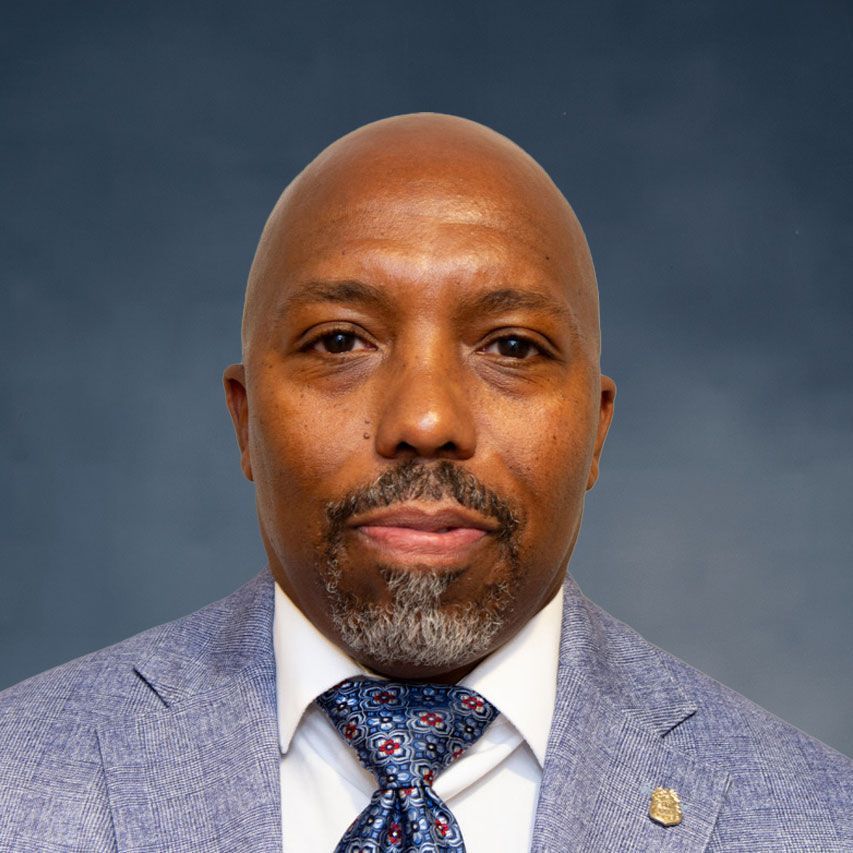
President
Paul J. Idlett
Considerations in closing rikers
11.23.26
Mayor Mamdani's plan to close Rikers Island and transition to a more modern jail facility in four boroughs is a significant step in addressing the challenges of the current system. While the intention to modernize is commendable, there are many important considerations that need to be addressed to ensure a smooth transition and maintain community safety.
First, the plan includes the essential repairs of 2,500 cell doors on Rikers, which is necessary for improving current living conditions while new facilities are being developed and expected to open by 2029. The proposed cap of 4,100 cell beds, along with an additional 400 medical beds, raises questions about what measures will be in place to accommodate any overflow of incarcerated individuals as crime concerns rise in local communities, particularly with increased gang activities.
It's crucial to clarify the process for managing these overflow situations and to ensure that violent offenders are appropriately housed within the set cap. The involvement of Parole and Probation in discussions is also essential as their roles will be pivotal in the overall strategy of managing the inmate population effectively.
Furthermore, exploring home confinement programs and decarceration options have become vital but necessitate a collaborative discussion among all stakeholders, including the courts, law enforcement, and community members. The capacity of the court system to handle alternative sentencing options is uncertain, and that could pose challenges.
Community concerns regarding congestion, safety, and security around the new facilities are valid and should be prioritized in the planning stages. Accessibility issues, such as parking, transportation, and emergency response times, need careful consideration to ensure that both residents' needs and public safety are maintained.
An ongoing dialogue involving all parties—community members, Department of Correction staff, and management—is essential in navigating these complex issues as we move forward with the plan. This collective approach can lead to more comprehensive solutions that reflect community concerns while striving for an improved correctional system.
Addressing Correctional Safety Concerns
9.6.26
I am writing to raise important concerns regarding the safety and security of Correction Captains and their staff within the NYC Department of Correction. Recent incidents, including an attack on a captain last night leading to significant injuries, highlight the ongoing challenges our staff faces in maintaining a secure environment.
It is vital to understand the implications of such incidents not only for the safety of our personnel, but also for the overall operational integrity of the department. Questions regarding accountability and the management of individuals in custody following such events are important for ensuring a safe atmosphere for everyone involved.
Moreover, discussions surrounding reform in our correctional facilities often emphasize the rights and needs of individuals in custody. While these considerations are crucial, it is equally important to advocate for the safety and well-being of correctional staff. Ensuring a balanced approach to safety is essential for fostering a stable and secure environment.
The prolonged involvement of the Nunez monitoring team raises questions about the effectiveness of current strategies. While the intent to improve conditions is understood, ongoing challenges suggest that adjustments may be necessary to ensure both staff and individuals in custody can operate in a safe setting.
I believe it is important for all stakeholders to engage in constructive dialogue about these issues, focusing on the shared goal of improving safety and well-being for everyone in our facilities.
Read Article:
Captain, 3 officers wounded during attack on Rikers Island
Mayor Mamdani's Controversial Proposal to Restructure Unfunded Pension Liabilities
5.21.26
Mayor Zohran Mamdani's recent proposal concerning the restructuring of unfunded pension liabilities has sparked considerable discussion within our city.
Mayor Mamdani’s executive budget for New York City includes a controversial proposal to restructure unfunded pension liabilities, extending the city’s repayment schedule from 2032 to 2037. This maneuver aims to delay required contributions and free up roughly $1.6 billion in the first fiscal year to help close the city's budget deficit.
Financial Impact: The administration expects the restructuring to provide major short-term relief, saving the city an estimated $2.3 billion over two years.
Union & State Requirements: The pension delay cannot be executed unilaterally. It requires approval from state leadership and buy-in from municipal labor union trustees that represent city employees.
Criticism: Critics, including fiscal watchdogs like the Citizens' Budget Commission, argue the plan is a "gimmick" or a "payday loan" tactic. They warn that pushing these massive payments into the future will saddle taxpayers of the mid-2030s and 2040s with significantly higher costs.
Retiree Protections: Independent economists, including those at the Fiscal Policy Institute, note that the proposal does not alter the actual pensions owed to city workers and will not affect the ability to meet retiree payouts.
This is a situation we are closely monitoring. Kicking the can down the road has never worked in the past so we can't expect it to work now.